Tittot 琉園 (Liuli Gongfang) Sculptural Glass 'Hu Vessel' Taiwan, Contemporary
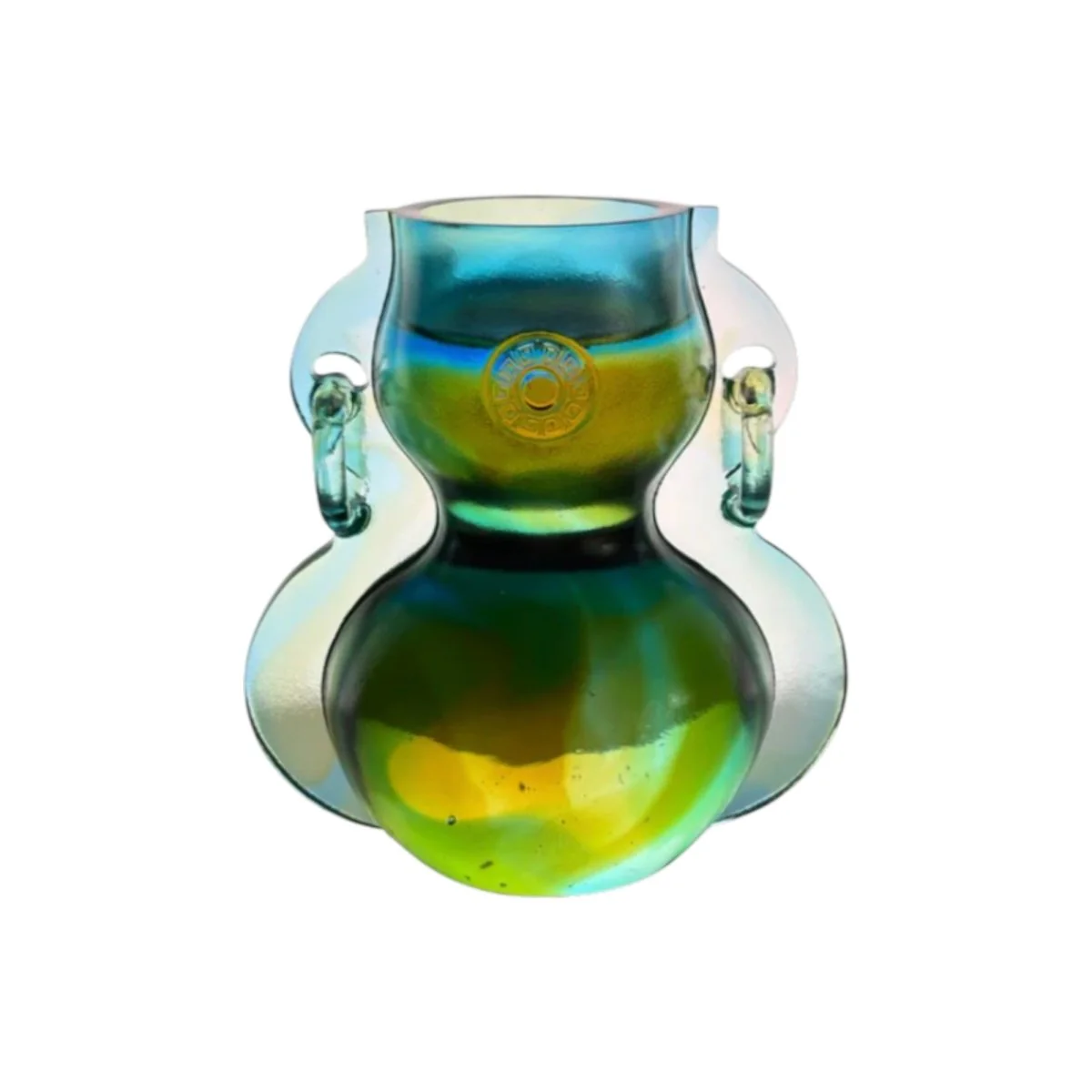
A richly coloured sculptural vessel form glass sculpture by celebrated Taiwanese studio Tittot 琉園, inspired by the traditional Chinese hu ritual form. The rounded body, defined shoulder and twin handles reference ancient bronze wine vessels, here reimagined in luminous kiln cast glass.
Layered emerald, teal and golden amber tones shift beautifully under light, revealing depth and internal movement characteristic of Tittot’s lost wax casting technique. The compact scale makes it both sculptural and functional.
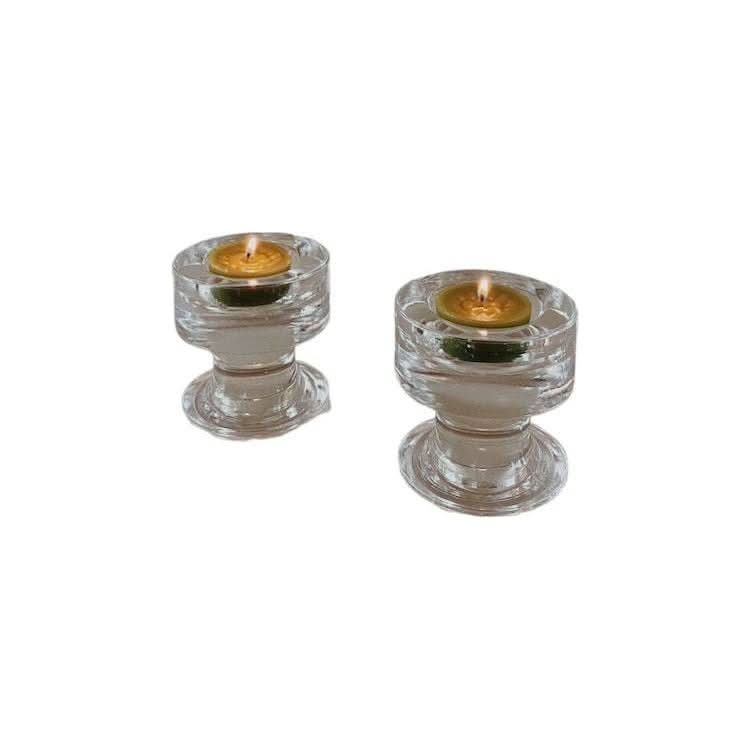
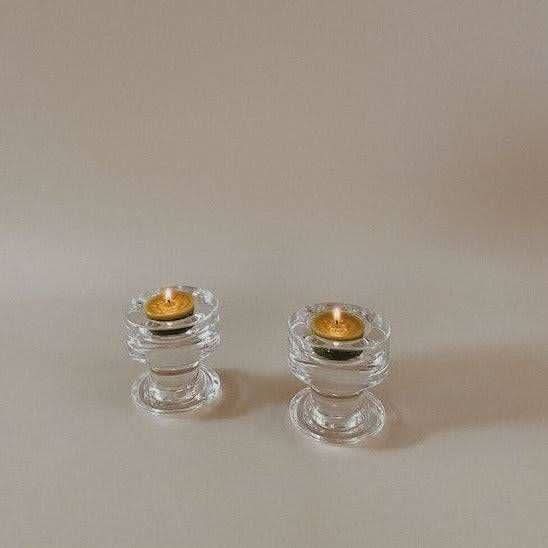
Suitable as a tea light holder or as a cone incense vessel. Equally striking as a standalone design object.
Signed to the base 琉園 (Liuli Gongfang, meaning “Garden of Glass”) and individually numbered.
Excellent condition.
Signed and Numbered
13.5 cm x 12 cm
About Tittot 琉園 (Liuli Gongfang)
Founded in Taiwan in the late 1980s by artists Loretta H. Yang and Chang Yi, Tittot played a pivotal role in reviving ancient Chinese pâte de verre and lost wax glass casting techniques. The studio is internationally recognised for combining traditional symbolism, Buddhist philosophy and contemporary sculpture.
Unlike blown glass, Tittot works are typically kiln cast from wax models. This allows for sculptural complexity, thick walls and nuanced colour layering. The subtle striations and depth seen in this piece are characteristic of high temperature kiln casting.
A richly coloured sculptural vessel form glass sculpture by celebrated Taiwanese studio Tittot 琉園, inspired by the traditional Chinese hu ritual form. The rounded body, defined shoulder and twin handles reference ancient bronze wine vessels, here reimagined in luminous kiln cast glass.
Layered emerald, teal and golden amber tones shift beautifully under light, revealing depth and internal movement characteristic of Tittot’s lost wax casting technique. The compact scale makes it both sculptural and functional.
Suitable as a tea light holder or as a cone incense vessel. Equally striking as a standalone design object.
Signed to the base 琉園 (Liuli Gongfang, meaning “Garden of Glass”) and individually numbered.
Excellent condition.
Signed and Numbered
13.5 cm x 12 cm
About Tittot 琉園 (Liuli Gongfang)
Founded in Taiwan in the late 1980s by artists Loretta H. Yang and Chang Yi, Tittot played a pivotal role in reviving ancient Chinese pâte de verre and lost wax glass casting techniques. The studio is internationally recognised for combining traditional symbolism, Buddhist philosophy and contemporary sculpture.
Unlike blown glass, Tittot works are typically kiln cast from wax models. This allows for sculptural complexity, thick walls and nuanced colour layering. The subtle striations and depth seen in this piece are characteristic of high temperature kiln casting.
Description
A richly coloured sculptural vessel form glass sculpture by celebrated Taiwanese studio Tittot 琉園, inspired by the traditional Chinese hu ritual form. The rounded body, defined shoulder and twin handles reference ancient bronze wine vessels, here reimagined in luminous kiln cast glass.
Layered emerald, teal and golden amber tones shift beautifully under light, revealing depth and internal movement characteristic of Tittot’s lost wax casting technique. The compact scale makes it both sculptural and functional.
Suitable as a tea light holder or as a cone incense vessel. Equally striking as a standalone design object.
Signed to the base 琉園 (Liuli Gongfang, meaning “Garden of Glass”) and individually numbered.
Excellent condition.
Signed and Numbered
13.5 cm x 12 cm
About Tittot 琉園 (Liuli Gongfang)
Founded in Taiwan in the late 1980s by artists Loretta H. Yang and Chang Yi, Tittot played a pivotal role in reviving ancient Chinese pâte de verre and lost wax glass casting techniques. The studio is internationally recognised for combining traditional symbolism, Buddhist philosophy and contemporary sculpture.
Unlike blown glass, Tittot works are typically kiln cast from wax models. This allows for sculptural complexity, thick walls and nuanced colour layering. The subtle striations and depth seen in this piece are characteristic of high temperature kiln casting.