‘Safari’ Pendant - Christian Hvidt (Hvidt & Mølgaard)
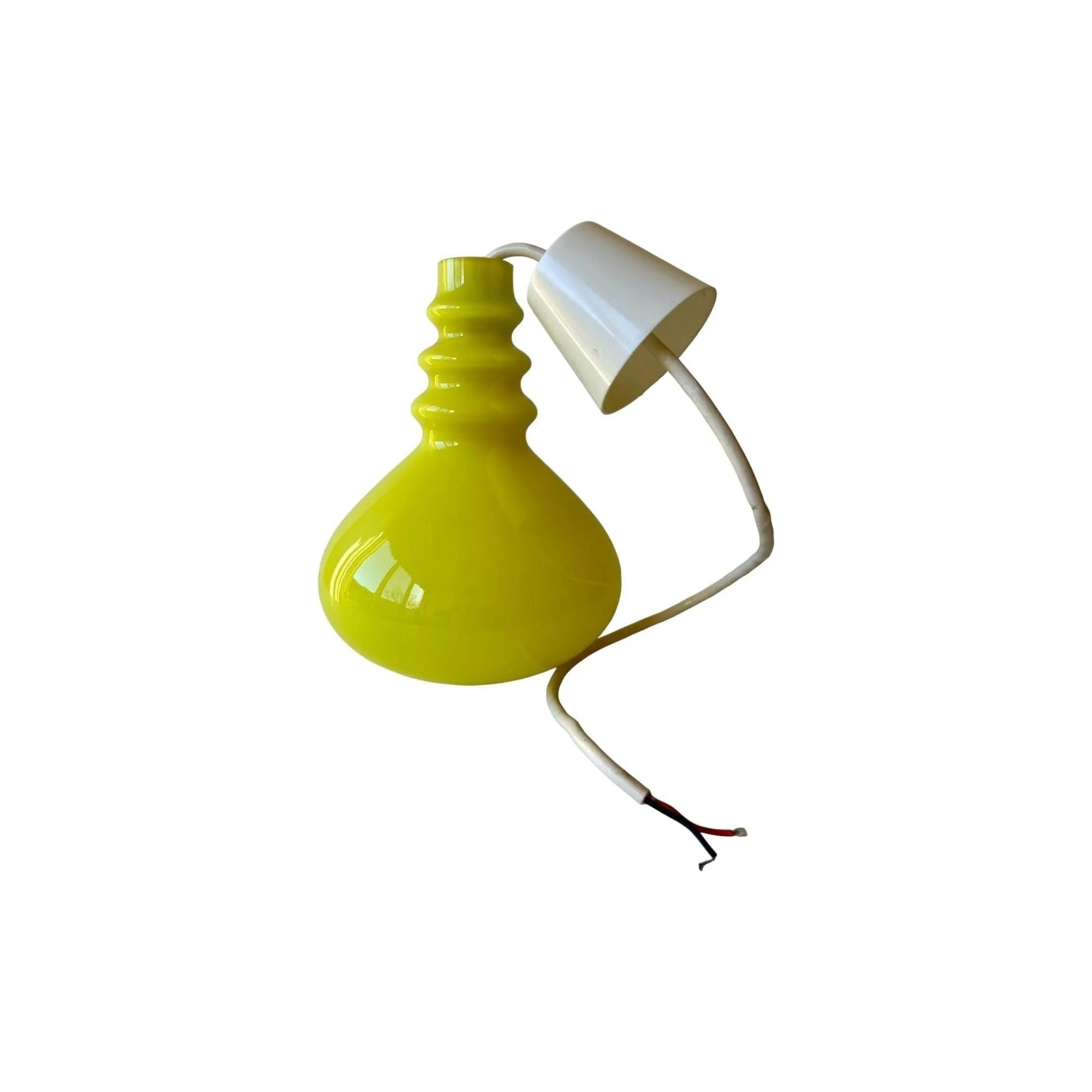
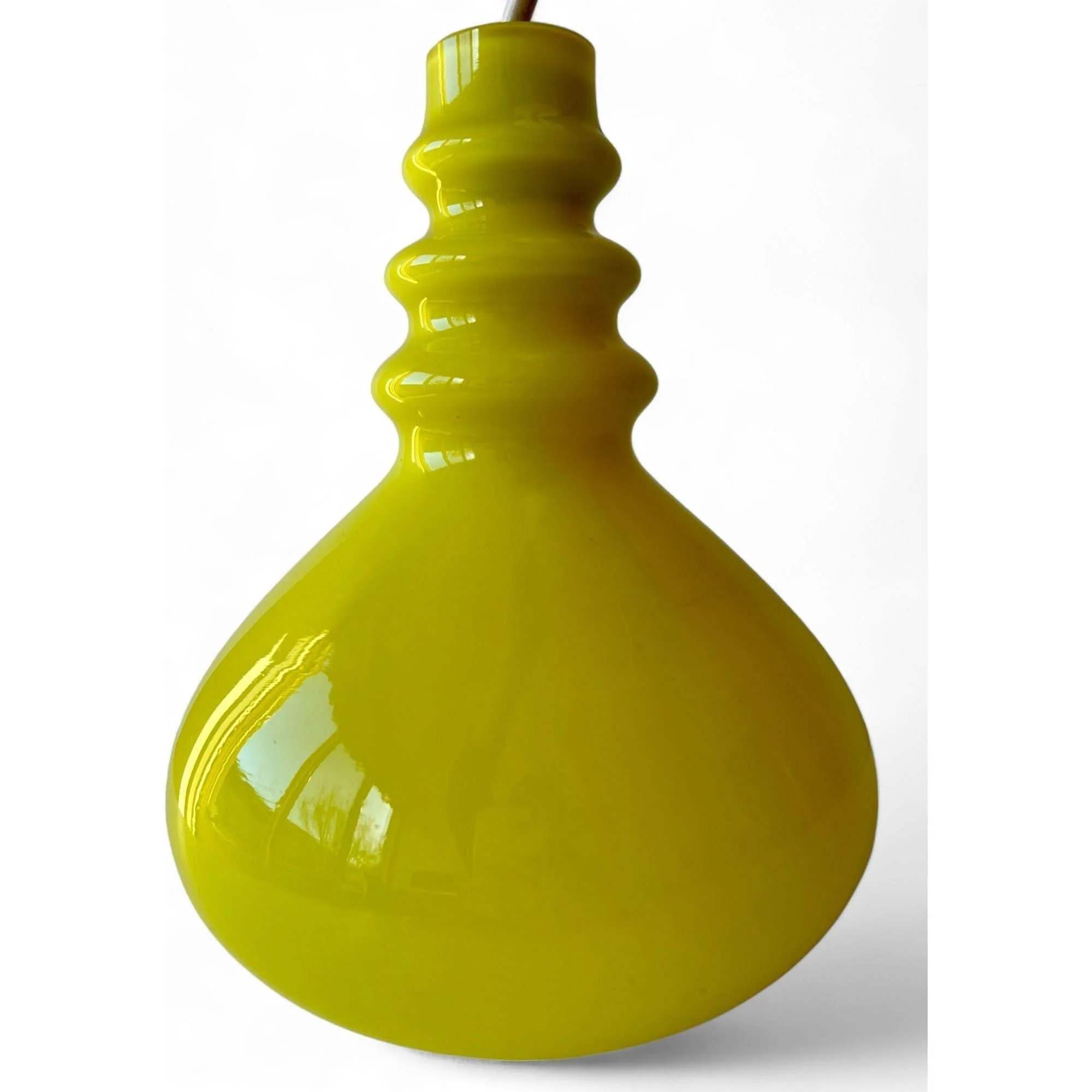
Designed by Christian Hvidt (in collaboration with his father Peter Hvidt and Orla Mølgaard-Nielsen) for the renowned Danish manufacturer Nordisk Solar Compagni, the Safari pendant is a hallmark of late 20th-century Scandinavian modernism.
This example is in great condition, with original sticker internally and sought after original ceramic socket. A new cord will be attached at the customers desired length when sold. A minor imperfection internally as pictured.
size: 50cm diameter
Historical Overview:
The Safari pendant was designed in the late 1970s and formally released in 1981, a year it earned the prestigious iF Product Design Award. It represents a transition in Danish lighting from the mid-century "Golden Age" to a more technical, late-modernist aesthetic. While it shares the multi-shade principles popularised by Poul Henningsen, the Safari used more industrial production methods and materials, solidifying Christian Hvidt's reputation as a key figure in modern industrial product design.
Piece Description:
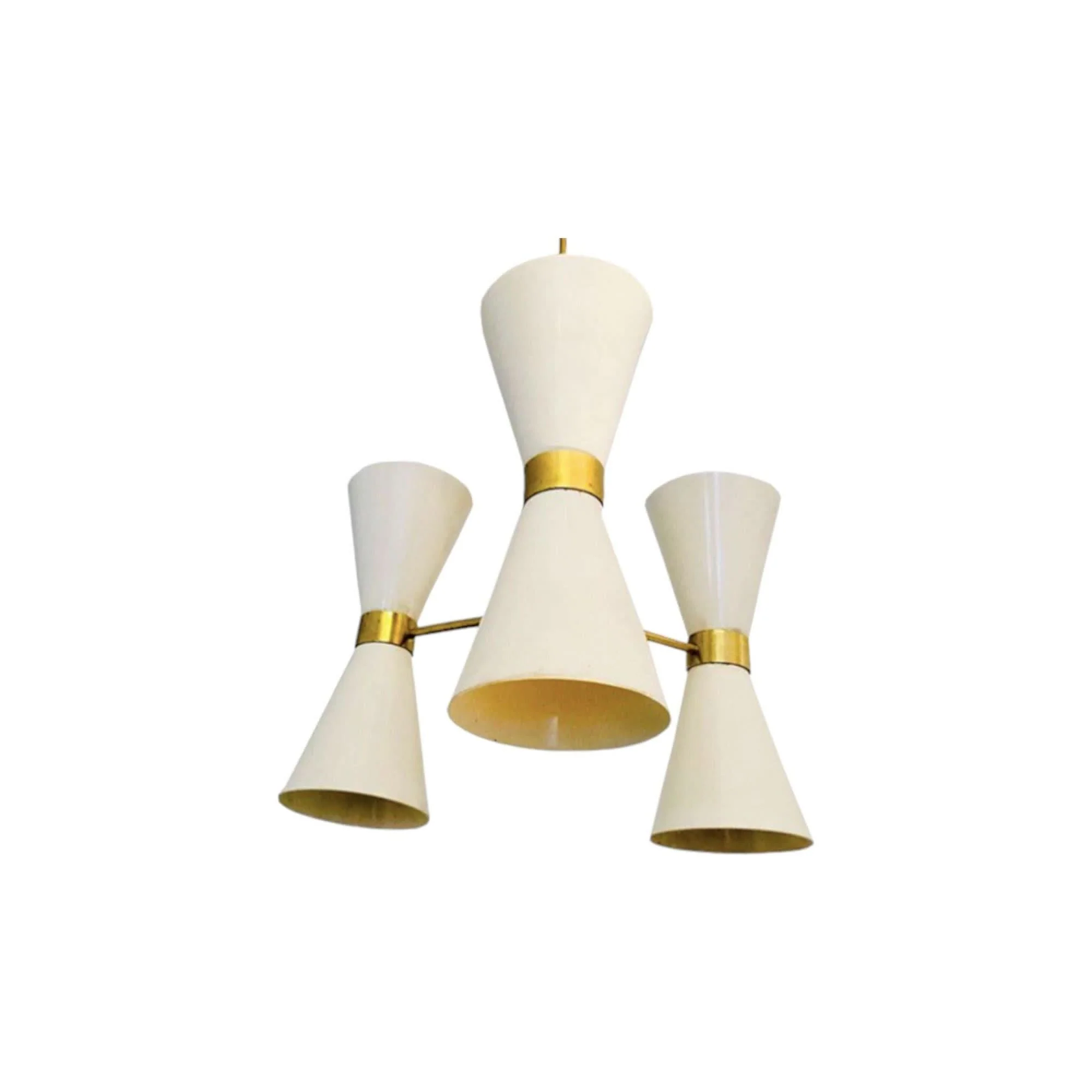
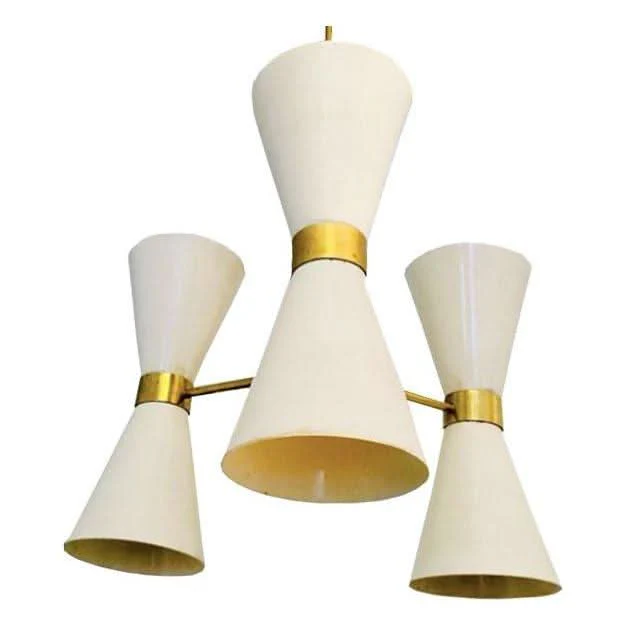
The pendant is characterised by its sculptural, layered construction, engineered to provide entirely glare-free light.
It consists of three graduated, powder-coated aluminum shades held together by discrete nickel-plated or steel rods.
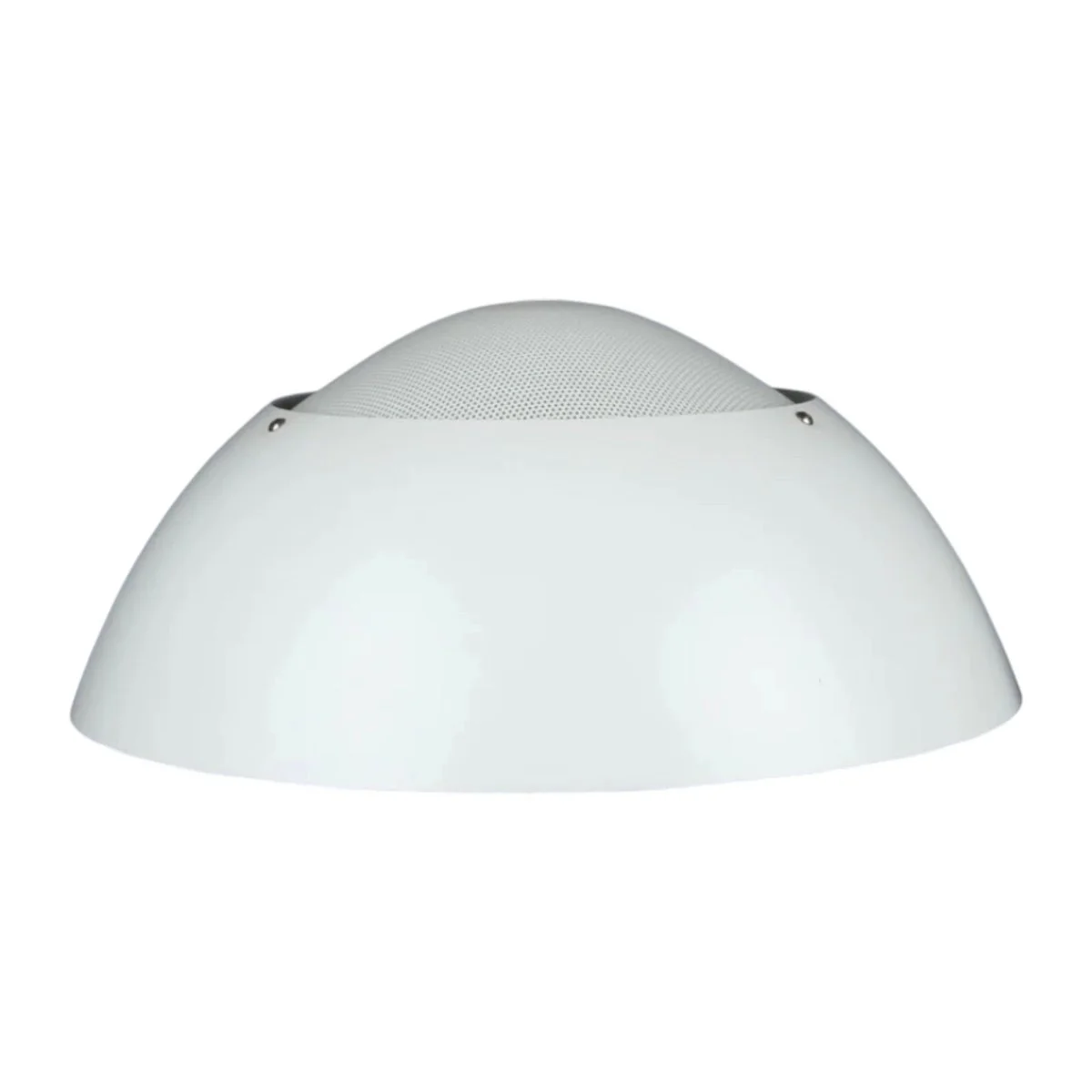
The top shade features a distinct perforated dome or hemisphere. These tiny perforations allow a soft "spill" of ambient light to escape upward, illuminating the fixture itself and preventing a dark ceiling.
The original ceramic socket within the assembly reflects the high-quality Danish manufacturing standards of the era. A new cord at requested length will be attached when sold.
Designed by Christian Hvidt (in collaboration with his father Peter Hvidt and Orla Mølgaard-Nielsen) for the renowned Danish manufacturer Nordisk Solar Compagni, the Safari pendant is a hallmark of late 20th-century Scandinavian modernism.
This example is in great condition, with original sticker internally and sought after original ceramic socket. A new cord will be attached at the customers desired length when sold. A minor imperfection internally as pictured.
size: 50cm diameter
Historical Overview:
The Safari pendant was designed in the late 1970s and formally released in 1981, a year it earned the prestigious iF Product Design Award. It represents a transition in Danish lighting from the mid-century "Golden Age" to a more technical, late-modernist aesthetic. While it shares the multi-shade principles popularised by Poul Henningsen, the Safari used more industrial production methods and materials, solidifying Christian Hvidt's reputation as a key figure in modern industrial product design.
Piece Description:
The pendant is characterised by its sculptural, layered construction, engineered to provide entirely glare-free light.
It consists of three graduated, powder-coated aluminum shades held together by discrete nickel-plated or steel rods.
The top shade features a distinct perforated dome or hemisphere. These tiny perforations allow a soft "spill" of ambient light to escape upward, illuminating the fixture itself and preventing a dark ceiling.
The original ceramic socket within the assembly reflects the high-quality Danish manufacturing standards of the era. A new cord at requested length will be attached when sold.
Original: $677.16
-70%$677.16
$203.15Description
Designed by Christian Hvidt (in collaboration with his father Peter Hvidt and Orla Mølgaard-Nielsen) for the renowned Danish manufacturer Nordisk Solar Compagni, the Safari pendant is a hallmark of late 20th-century Scandinavian modernism.
This example is in great condition, with original sticker internally and sought after original ceramic socket. A new cord will be attached at the customers desired length when sold. A minor imperfection internally as pictured.
size: 50cm diameter
Historical Overview:
The Safari pendant was designed in the late 1970s and formally released in 1981, a year it earned the prestigious iF Product Design Award. It represents a transition in Danish lighting from the mid-century "Golden Age" to a more technical, late-modernist aesthetic. While it shares the multi-shade principles popularised by Poul Henningsen, the Safari used more industrial production methods and materials, solidifying Christian Hvidt's reputation as a key figure in modern industrial product design.
Piece Description:
The pendant is characterised by its sculptural, layered construction, engineered to provide entirely glare-free light.
It consists of three graduated, powder-coated aluminum shades held together by discrete nickel-plated or steel rods.
The top shade features a distinct perforated dome or hemisphere. These tiny perforations allow a soft "spill" of ambient light to escape upward, illuminating the fixture itself and preventing a dark ceiling.
The original ceramic socket within the assembly reflects the high-quality Danish manufacturing standards of the era. A new cord at requested length will be attached when sold.